December 2025 – Atlanta, GA
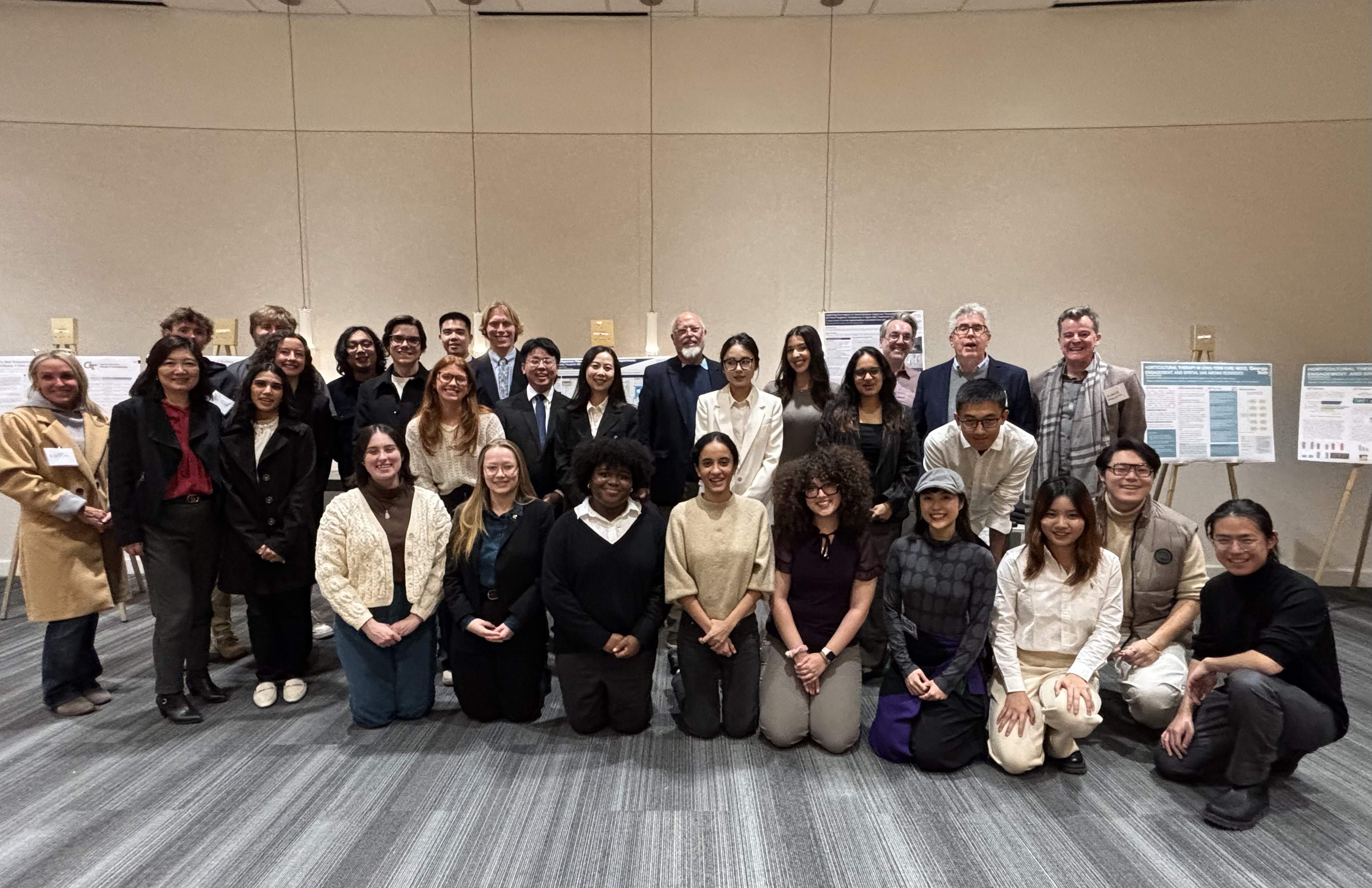
As the academic year came to a close, the Evidence-Based Design for Health course at Georgia Tech concluded with final presentations showcasing student research, analysis, and preliminary design recommendations grounded in evidence-based practice.
The interdisciplinary course brought together 29 students from Architecture, Industrial Design, Computer Science, Data Analytics, Biomedical Engineering, Health Systems Engineering, and Business. Throughout the semester, students collaborated closely with domain experts and real users across diverse environments, united by a shared goal: improving health and well-being through rigorous research and thoughtful, evidence-driven design.
Students undertook complex research projects that spanned onsite data collection, environmental measurement, and in-depth analysis and synthesis. Their work demonstrated professionalism, creativity, and a strong commitment to translating research insights into meaningful design opportunities.
The course was made possible through the generous collaboration of industry and community partners across four major projects:
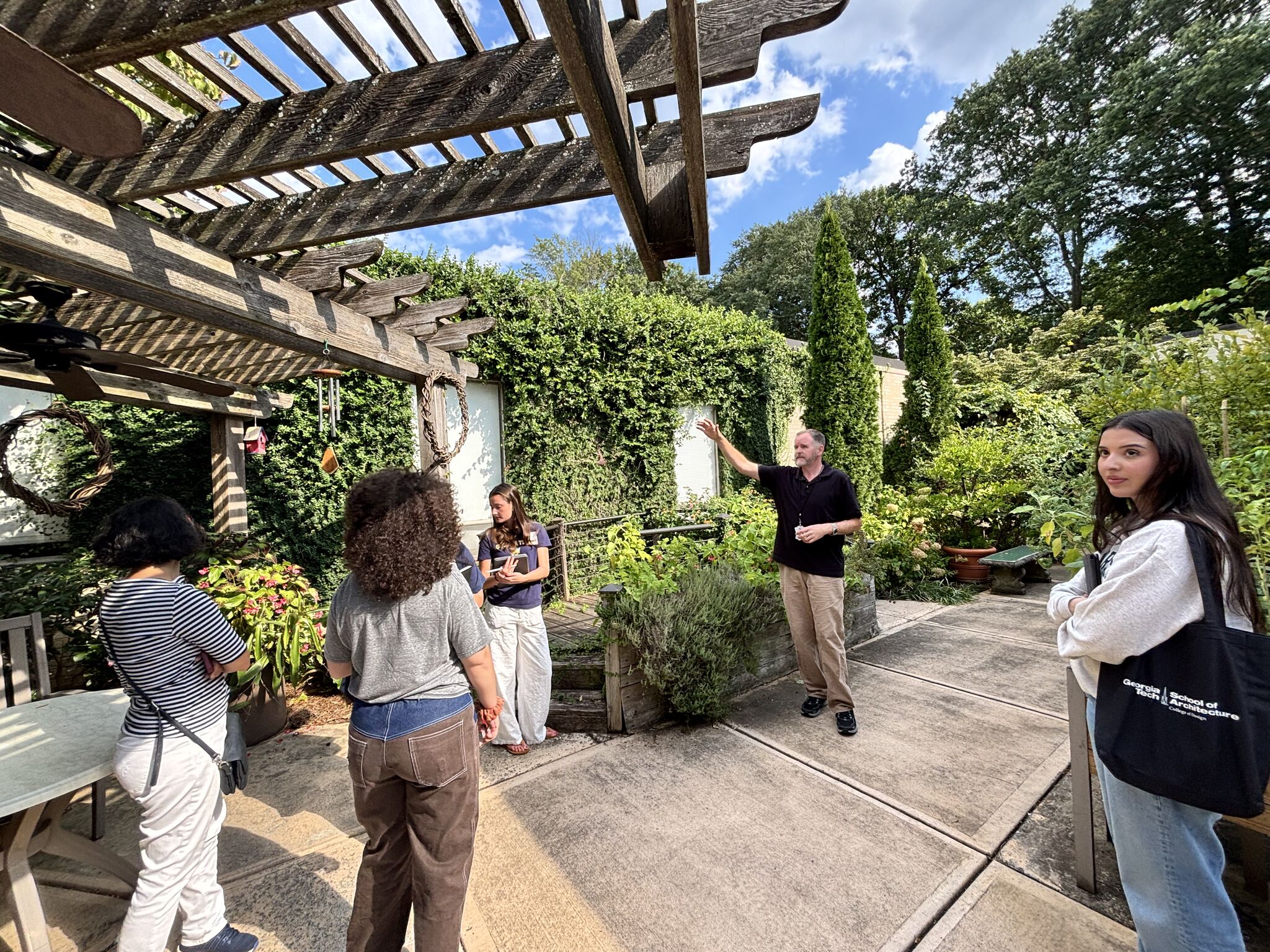
Project 1: Horticultural Therapy & Environmental Design for Nursing Home Residents
Industry/Community Affiliate: A.G. Rhodes Nursing Home
Key Partners: Kirk W. Hines, Deke Cateau, Kim Ross Beasley, Gesila Loquellano Koven, BSN, RN, RAC-CT, and Waqar Ahmad
In this project, students conducted in-field observations, interviews with residents, and environmental mapping to evaluate the influence of horticultural therapy on aging populations in nursing home settings.
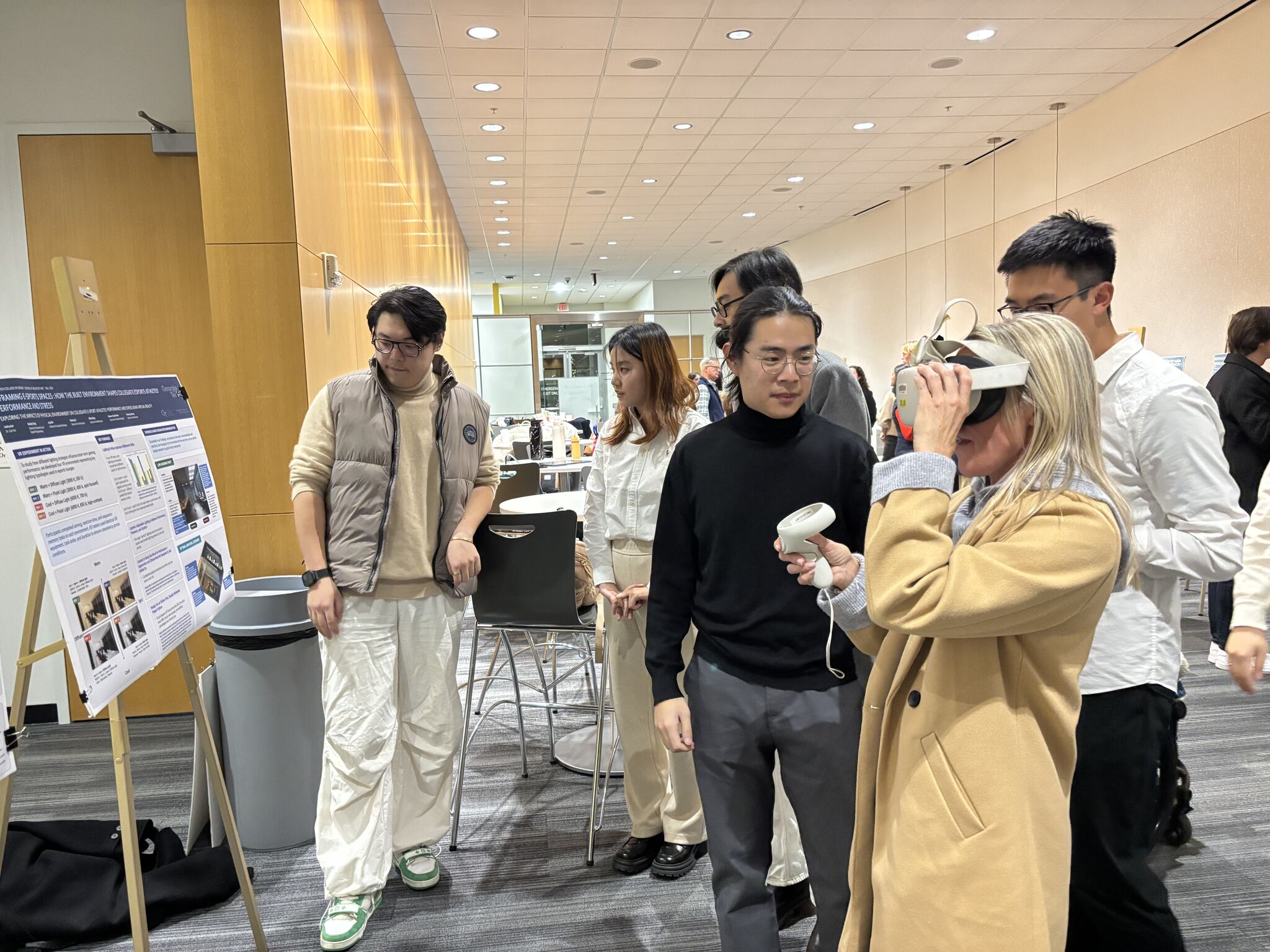
Project 2: Impact of the Built Environment on E-Sport Performance
Industry/Community Affiliates: GT CRC and GT E-Sports Club
Key Partners: Kelly Register, RN, BSN, Brian Smith, DJ Fratt, and Jesse Bodony
This collaboration enabled students to explore how spatial and environmental design influences performance in emerging digital and competitive gaming environments.
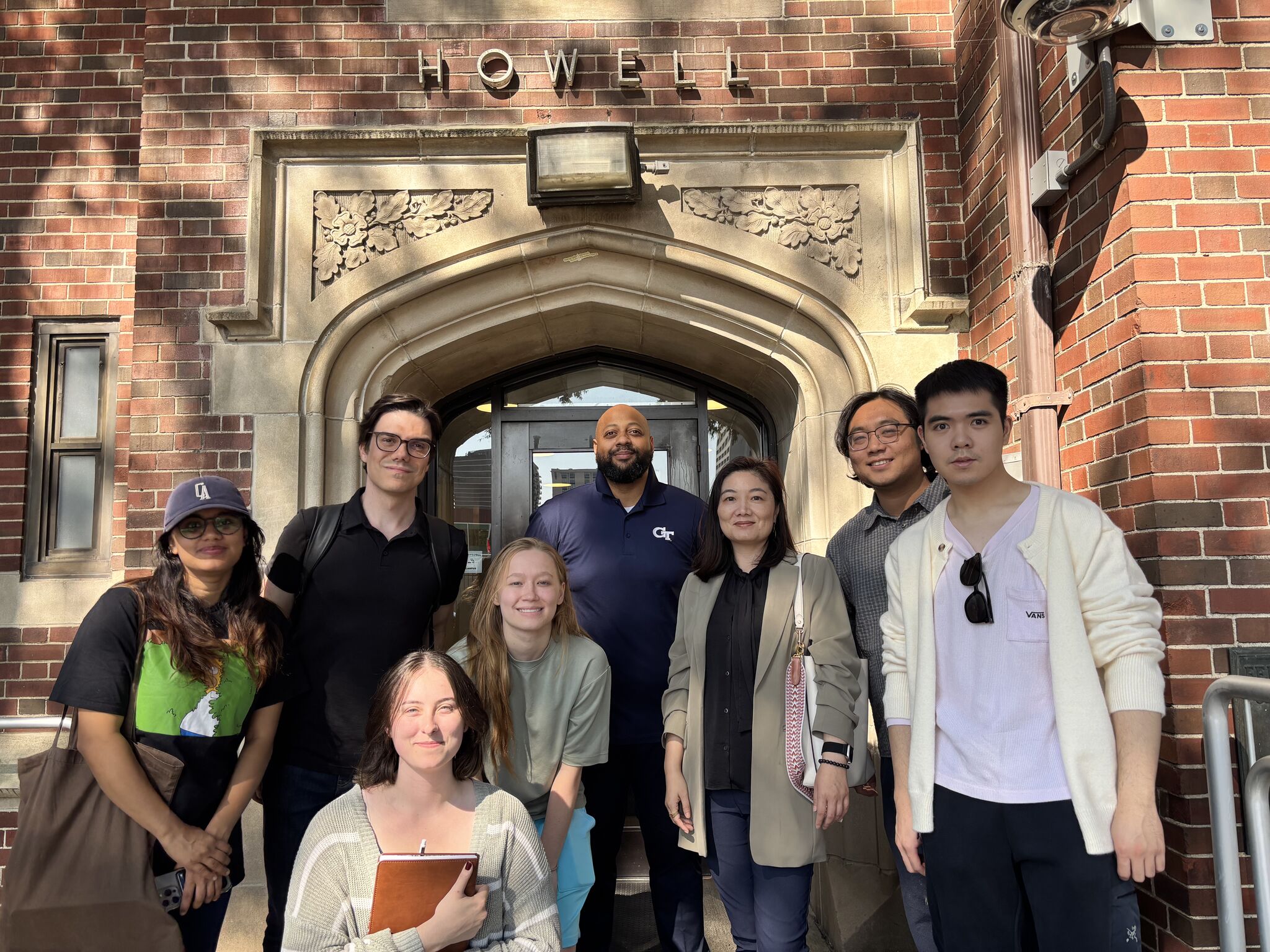
Project 3: Pre-Occupancy Evaluation of Smith & Howell Hall Student Housing
Industry/Community Affiliate: GT Student Housing
Key Partners: Randy M. Simon, Danielle Dockery, and Chris Williams
Students applied environmental measurement and social space analysis methods to real campus housing environments, informing future design and planning decisions.
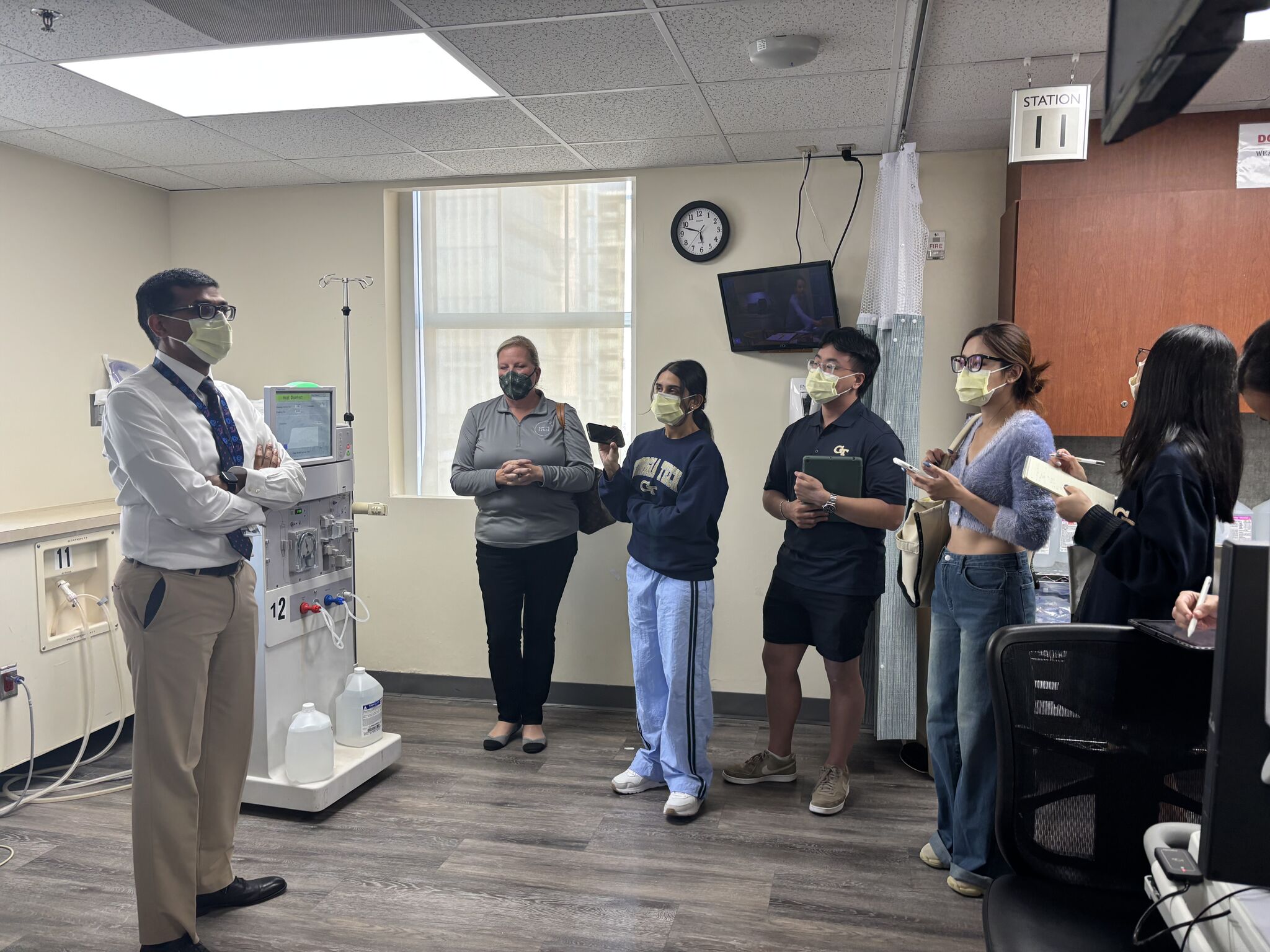
Project 4: Evaluation of Hand Hygiene Sensor Placement in Open Bay Areas
Industry/Community Affiliates: Emory Infection Prevention and SwipeSense
Key Partners: Dr. Jesse Jacob (Emory), Susan Dupree, and Leang Chhun (SwipeSense)
This project engaged students with innovative infection-prevention strategies that integrate healthcare environments with emerging technologies.
The course was led by Professor Hui Cai and Professor David Cowan, with guidance from external advisors Professor Craig Zimring and Professor Lorissa MacAllister. Their leadership and mentorship played a central role in shaping a rigorous and impactful learning experience.
SimTigrate extends sincere gratitude to all partners, instructors, and advisors whose time, expertise, and generosity supported student learning. Their contributions will continue to influence students’ careers and the future of health-focused design research. As the year concludes, SimTigrate looks forward to continued collaboration, innovation, and research-driven design in 2026 and beyond.